
Skip Loading Guide
Make loading your skip safer, easier, and more efficient. This guide walks you through best practices, weight distribution tips, and what to avoid – ensuring you get the most out of your skip without hassle.
-
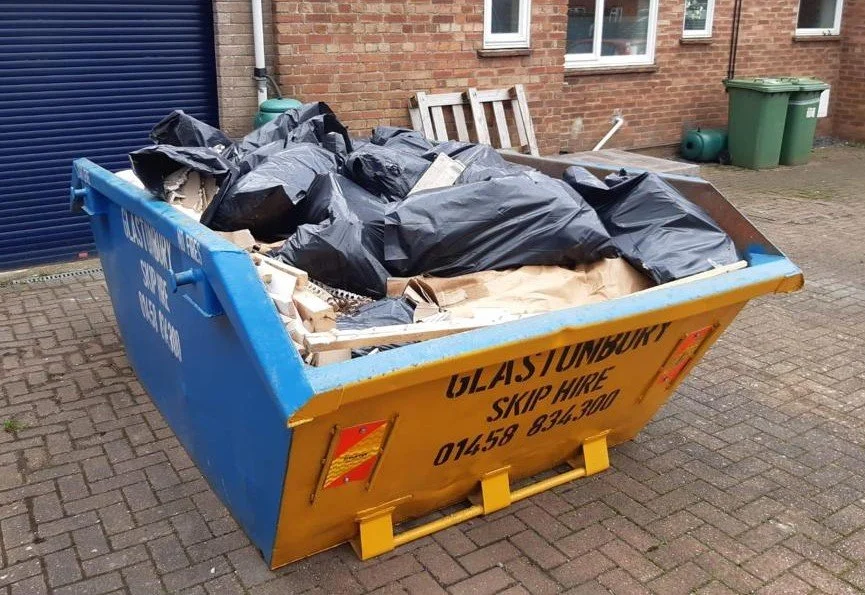
For a safe and efficient load, start with flat, heavy items at the bottom, followed by bulky waste broken down where possible. Fill gaps with smaller materials and stack lighter items on top. Keep the load level and within the skip’s edges—overfilled skips can’t be collected. Avoid our non-permitted items. The image above is a great reference for proper loading.
-
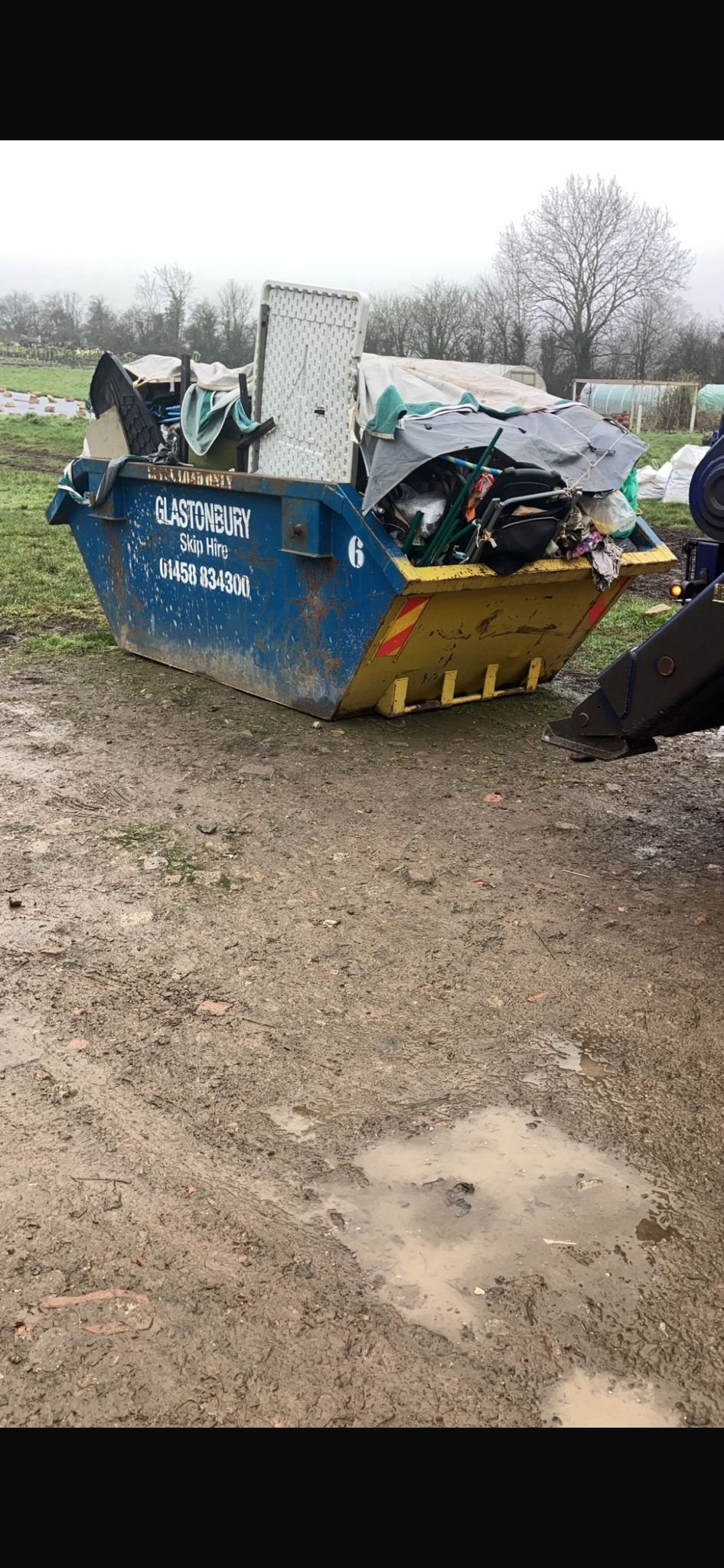
Avoid overloading or stacking waste unevenly—heavy items should go at the bottom, not on top. Don't let waste spill over the edges, and never pile materials loosely without securing them. Non-permitted items must not be included. If we arrive on-site and the skip is overloaded or unsafe, a wasted journey fee will apply—unless it can be levelled within 10 minutes. The image above shows what to avoid.
-
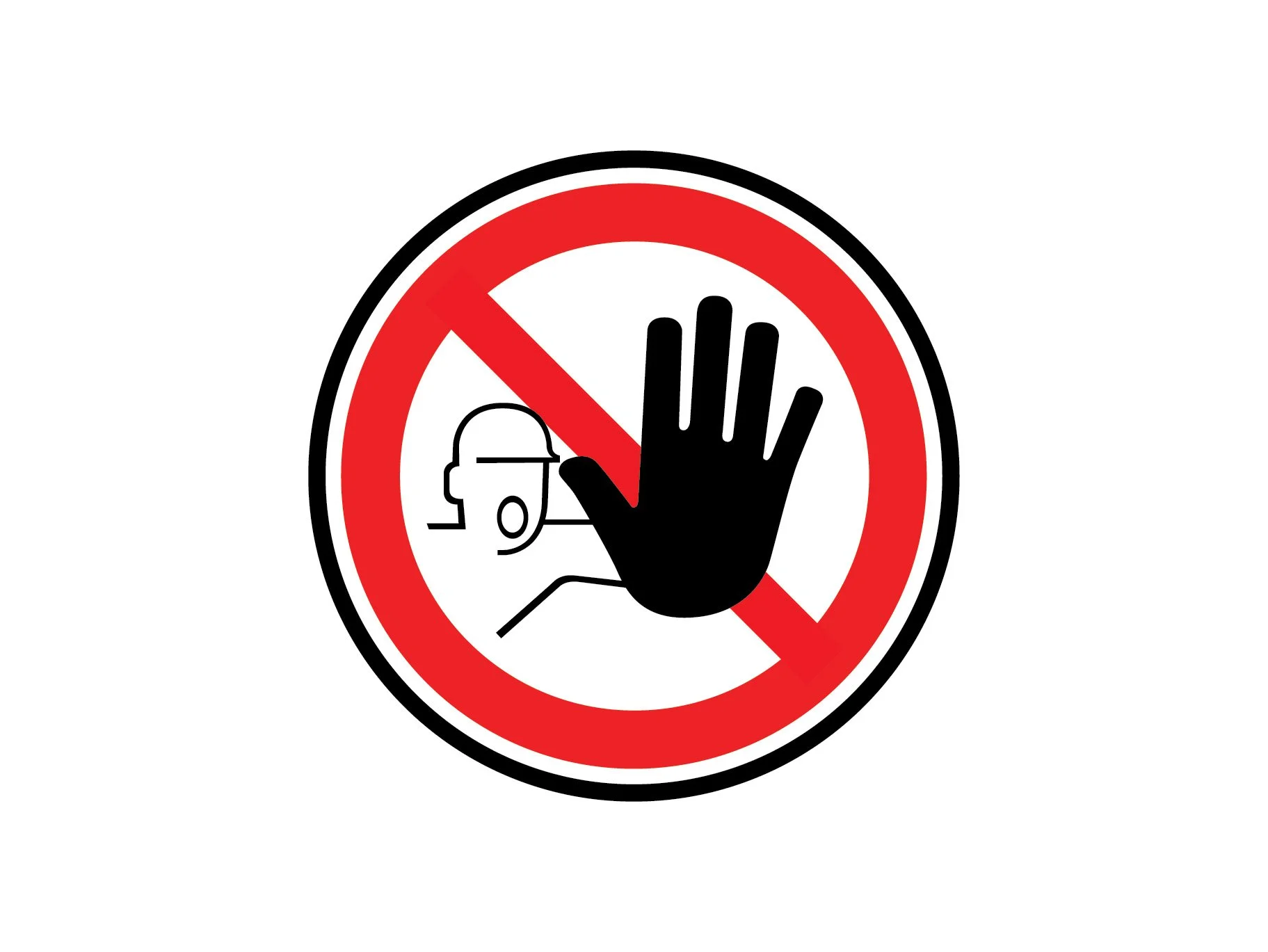
Asbestos or asbestos-containing materials
Hazardous, contaminated, or toxic waste of any kind
Chemicals, solvents, paints, resins, oils, fuels, or similar substances
Clinical or medical waste (including yellow bins)
Human waste, sewage waste, or biological waste (including dog foul)
Liquids of any kind
Batteries (including lithium-ion batteries and e-cigarettes/vapes)
Gas bottles, cylinders, kegs, beer barrels, or other pressurised containers
Fridges, freezers, or other refrigeration units
Computers, monitors, televisions, and other electrical or electronic equipment (WEEE)
Tyres (of any condition)
Machine tracks or heavy plant components
Wet concrete, cement, or washout waste (we do not supply washout skips)
Large tree roots or heavy organic materials
Food waste or heavily contaminated food packaging
Any flammable, explosive, or dangerous materials
The following items may be accepted only by prior agreement and must be handled and segregated as instructed:
Mattresses (typically limited to one per skip unless agreed otherwise)
Plasterboard (must be kept dry, bagged, and separate from other waste)
Waste Electrical Equipment (WEEE) where agreed (must be kept dry, bagged, and segregated)
Persistent Organic Pollutants (POPs), including upholstered items such as sofas, cushions, and office chairs (unless collected separately by prior arrangement)
This list is not exhaustive. You must contact us prior to disposal if you are unsure whether an item is permitted. We reserve the right to refuse any waste deemed unsuitable.